
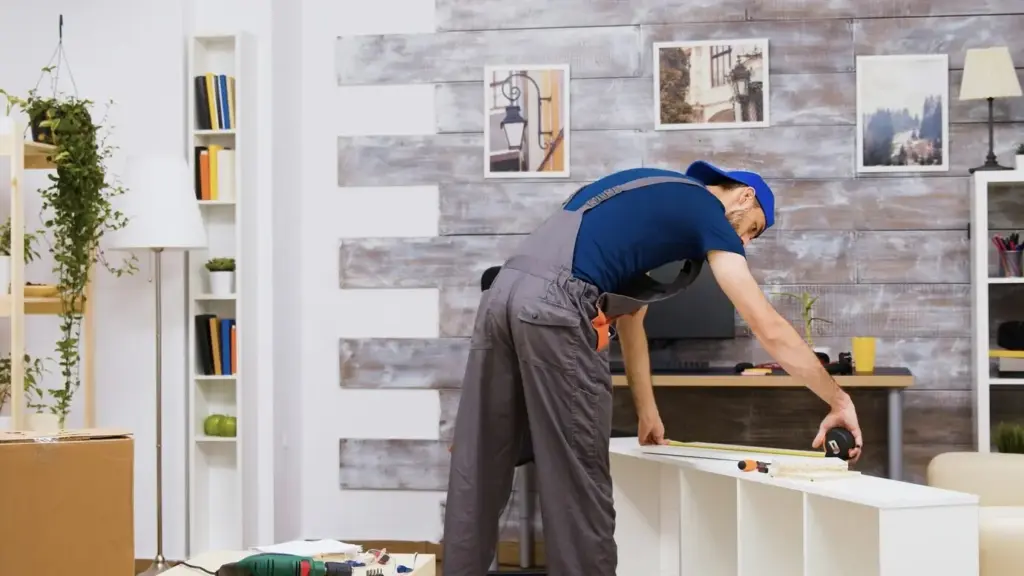





Elevators, Staging, and Safe Paths
Reserve elevators early and post notices that respect residents’ routines. Use rolling carts with soft wheels, corner guards, and ram board to protect finishes. Stage materials in minimal, tidy zones and remove packaging quickly. Map safe paths that avoid peak hours. Photograph protections each morning. Small courtesies avert complaints and fines, while accelerating productivity. What clever staging tricks have you discovered in tight corridors or vintage buildings? Share your tactics for moving heavy items without disrupting daily life around you.

Noise and Dust With Neighborly Care
Plan loud tasks during approved windows and bundle them to minimize repeated disruption. Employ negative air machines, zipper walls, HEPA vacuums, and sticky mats to control dust. Notify neighbors before particularly disruptive work and offer realistic durations. Provide a simple hotline for concerns and respond promptly. Proactive transparency converts skepticism into patience. If you have favorite products for dust control or sound mitigation, list them below and explain why they work well in constrained multifamily environments.
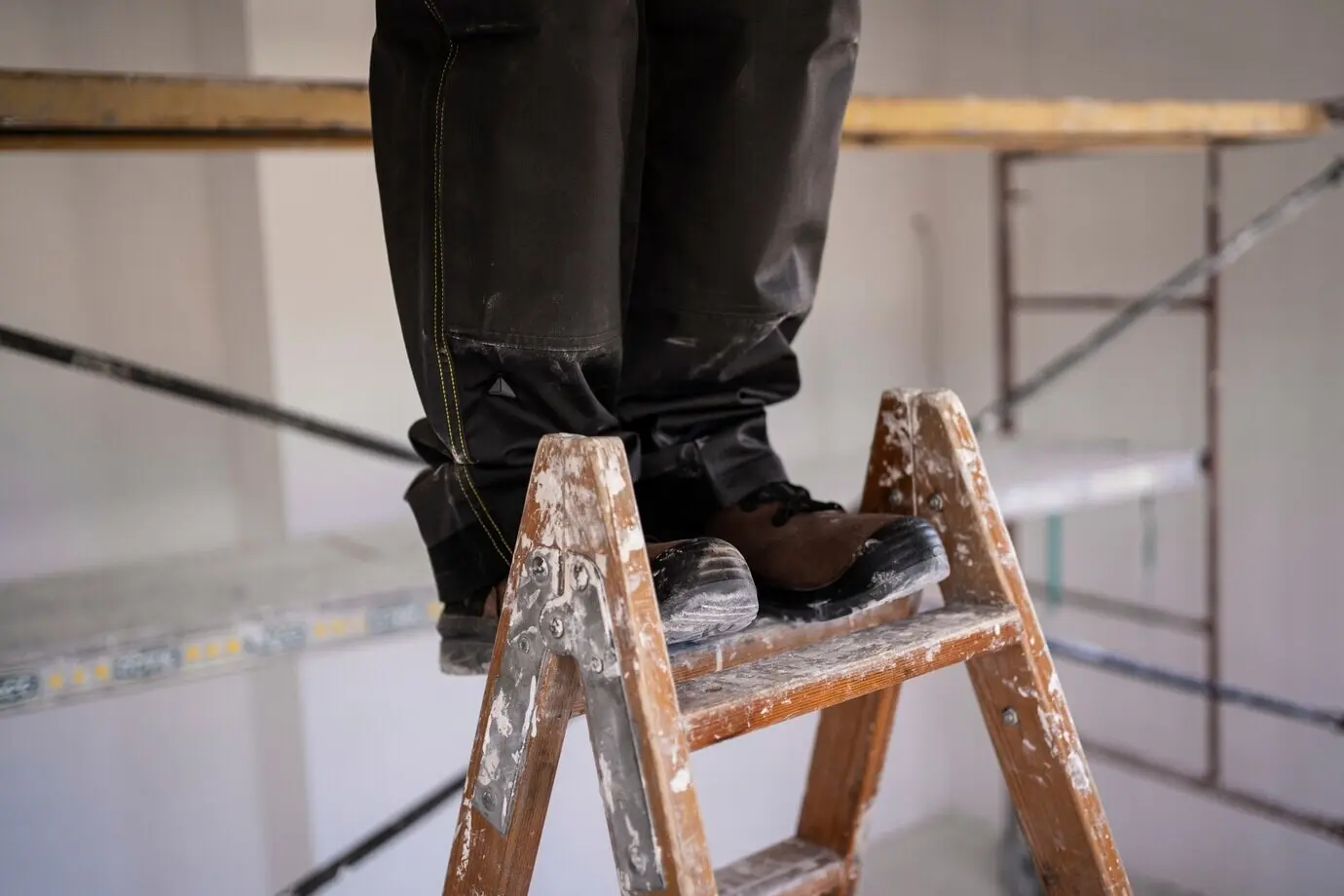
Communication That Builds Goodwill
Weekly bulletins with progress updates, upcoming milestones, and contact details reduce anxiety. Celebrate completed milestones—quietly—and acknowledge any inconveniences. Thank staff and neighbors publicly for cooperation. When a hiccup occurs, explain what happened, how it’s fixed, and what prevention follows. Accountability is magnetic. Have you crafted a resident-friendly update template or welcome notice that managers loved? Share a sample, and help others maintain calm corridors while craftsmanship advances without unnecessary friction or misunderstandings.